
The EU-Mercosur agreement, which was implemented in May 2026, could cause significant economic pressure on Caricom (Caribbean Community) nations, potentially leading to recessionary pressures in specific sectors.
The agreement has liberalized over 90% of trade between the EU and Mercosur (Brazil, Argentina, Paraguay, Uruguay, and Bolivia).
The EU-Mercosur agreement has established one of the world’s largest free trade zones covering 31 countries and 800 million people and approximately $22 trillion in combined gross domestic product.
Its impact is a major concern due to increased competition and decreased preferential access. But lets be clear not only the 22 Caricom states, on the whole caribbean region its a challenge.

Key challenges for Caricom include:
Erosion of Preferences:
Preference erosion happens when developed nations in this case EU bloc lower or erode their general import tariffs to other developed nations in this case Mercosur bloc, which shrinks the special tax-free advantage they previously gave to developing countries such as Caricom.
Caricom currently operates under a Cariforum-EU Economic Partnership Agreement (EPA), which allows preferential access. The EU-Mercosur deal means that South American countries will now have better access, removing the advantage Caribbean countries once had.
The influx of cheaper bananas and other tropical commodities into the EU market depresses wholesale prices, destabilizing the fragile equilibrium that currently supports caribbean farmers. Because the Caribbean is a high-cost producer, these concessions erode the trade advantages the EPA previously guaranteed the region.
Revenue loss:
For example, earlier economic simulations indicated that comprehensive EU trade liberalization with South America could decrease Caribbean rum exports by 3%, resulting in severe economic contractions for specific member states like Guyana.
Investment Diversion:
Increased European investment into the agricultural and industrial sectors of Mercosur countries will reduce investment flows into the Caribbean.
Compliance and Logistical Disadvantages:
Competing against larger, heavily mechanized agricultural blocs makes maintaining the viability of smallholder exports extremely difficult.
Caribbean farmers face higher inter-island transport costs and operate under increasingly stringent EU sustainability and traceability regulations.
Increased transaction volumes between the EU and South America strain major Atlantic shipping routes and port capacities, raising freight and transit overhead for third-party neighboring regions like the Caribbean.
Caricom’s decentralized economic integration and reliance on diverse national currencies make it harder to match the integrated shipping and supply chain efficiencies forged between the massive EU and Mercosur trading blocs.
Long-Term Strategy:
Caricom nations will likely face pressure to align their own trade policies and improve competitiveness in agriculture and services to avoid negative economic consequences.
The EPA was originally designed to support the development of Caribbean countries, but the new, larger agreement with South America shifts the focus of the EU’s market access priorities in the region.
While the agreement may not completely eliminate Caricom’s trade with the EU, it likely necessitates a diversification strategy for Caribbean economies to remain competitive in the face of cheaper, large-scale alternatives from South America.
Diversifying beyond agricultural traditional exports, and shifting towards processed foods, creative and cultural industries, information technology, outsourcing, sustainable and niche agriculture, specialized tourism, renewable energy, blue economy, financial and professional services.
Conclusion
The most recent high-level gathering for the region was the 51st Regular Meeting of the Conference of Heads of Government of Caricom, held in Saint Lucia from July 5 to 8, 2026, under the chairmanship of Prime Minister Philip J. Pierre.
One of the key decisions and actions was regional integration prioritizing advancing trade. But that is just within Caribbean Single Market Economy (CSME). They were just going through what they currently have, just making sure it can function better.
Non-tariff barriers on intra-regional trade, free movement of skilled nationals and wage earners to move, affordable regional maritime ferry service to streamline cargo and passenger movement, strategies to boost domestic food production and lower regional grocery costs, and regulatory harmonization working towards to ease commercial bottlenecks.
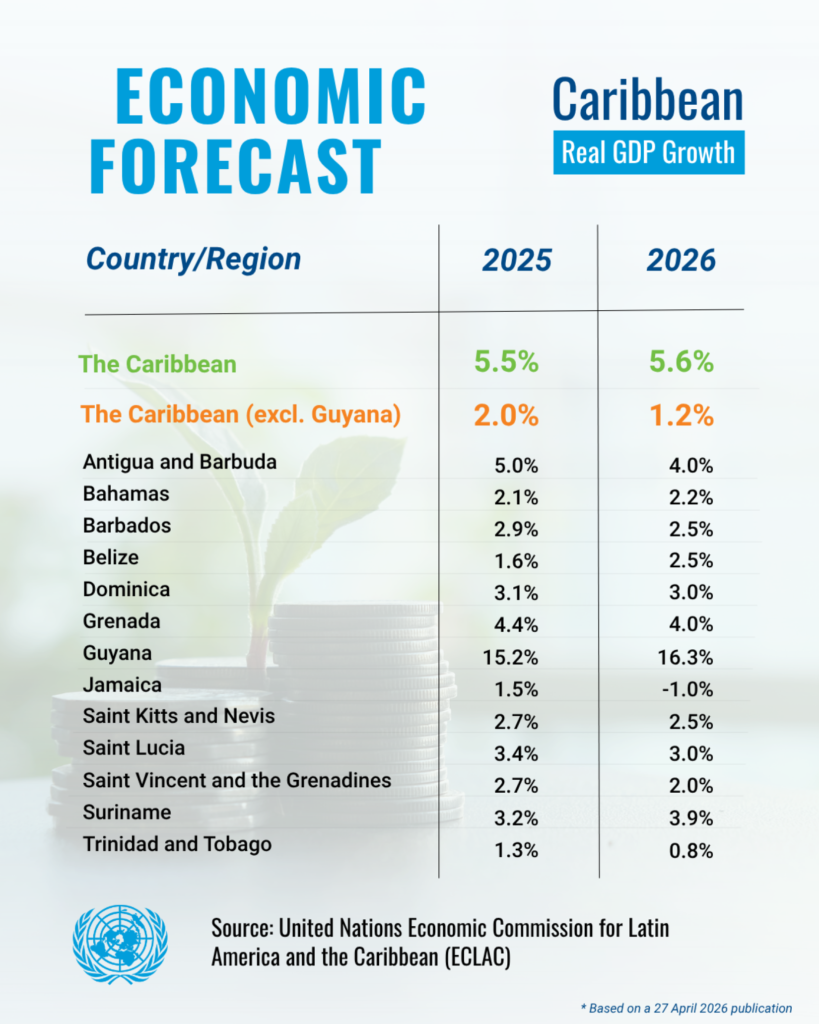
Overall regional growth is projected at roughly 6.2% for 2026, though excluding Guyana who has a 16.2% growth, leading all other nations drops the average growth rate down to a modest sluggish 1.1%.
On a global context 1.1% pace lags behind broader emerging market averages and barely keeps pace with population and cost pressures, signaling constrained private consumption and weak investment.
For a timeline for Impact assessment we need to wait 1 to 3 years for early economic shifts, such as adjustments in direct bilateral trade volumes, tariff reductions, and short-term price adjustments for primary produce.
And 5 to 8 years for structural trade impacts, indirect competitiveness effects, measurable shifts in foreign direct investment patterns, localized shipping logistics, and competitive pressures on non-Mercosur regional partners.
By then Caricom and across the wider Latin American and Caribbean basin will know the full impact following the enactment of the EU-Mercosur trade agreement.
July 2026
Other related documents:
Brazil-Caribbean Trade Relations – Dec 2021
The EU-Mercosur Deal in a Fragmented World – May 2026

What Migjonela is trying to achieve is more trade between the Caribbean countries and Brazil. There are only 7 Foreign Embassies and Consulates of Caribbean Countries based in the territory of Brazil. Barbados, Cuba, Dominican Republic, Guyana, Haiti, Jamaica and Trinidad and Tobago.
The other caribbean countries should not only wake up and smell the coffee, they should buy it as well. Brazil is responsible for about a third of all coffee, making Brazil by far the world’s largest producer.
Over the last few years, Brazil has been steadily expanding its economic and diplomatic presence in the Caribbean. In part, this is fuelled by the country’s strong economic performance and continued political stability, which has capitulated Brazil’s standing as an emerging powerhouse in the world.
The past two decades have seen an explosive surge in trade and investments among the world’s developing nations. The Caribbean must aggressively diversify its economic relationships. Increasing trade and strengthening trading links with non-traditional partners are the foremost economic imperatives. While, Europe and North America, especially the United States, will likely remain the Caribbean’s most important trading partners, it is the currently Brazil which can hold greatest trading opportunities.
Brazil’s economic ascendancy offers the Caribbean new possibilities for greater intra-regional trade, as well as a gateway to South America’s largest trading bloc, the Southern Common Market, commonly referred to as MERCOSUL. The upside growth potential of an expanded Brazil-Caribbean trading partnership is significant.
Brazil’s potential for further economic advancement is immense. Brazil has one of the largest reserves of natural resources in the world, and also has one of the most important and advanced industrial sectors among the developing countries.
Brazil has long been an aspirant world power, but its economic maladies have encumbered its global ambitions. However, with the reforms taking the economy forward, the country is well-positioned to assert its desired role as a leading international player.

Brazil’s Caribbean courtship has been evolving despite the apparently strong ethno-cultural similarities with the Caribbean, Brazil traditionally had consigned a low saliency to the region.
The Caribbean rarely figured in the spectrum of Brazilian foreign or economic policy interests. This lack of interest is in part owing to the legacies of colonial rivalry between the Portuguese, Spanish, and British empires in the region, which conditioned intra-regional isolation, mistrust, and linguistic barriers.
Now economics, more than history is driving Brazil’s foreign policy outlook. Brazil has been able to flex its muscles as a rising power, stepping-up its role as a key Latin American state to exert leadership throughout the hemisphere, most notably in the Caribbean.
The Caribbean is laboring to diversify its export import base to boost global competitiveness in traditional and emerging industries.
Brazil offers the potential of an alternative market to the region’s long established, but eroding preferential trading partnerships.
Brazil clearly has something to offer the Caribbean. The prospect for this emergent bilateral relationship to radically transform the Caribbean’s trade and economic position within the hemisphere exists. However, if the Caribbean is to reap the full benefits of this trading relationship, it must push to secure equal footing with Brazil in negotiating the parameters of their bilateral trade and investment engagement.
This is no easy task for the Caribbean as a set of small-size economies; its bargaining power to advance trade priorities is asymmetric in comparison to Brazil. The region, even in the context of CARICOM, must boost its market productivity and export import promotion measures to ensure the development of mutually productive trading links so that the investment traffic is not all one-way.
The current terms of trade indices highlight Brazil’s favor, with most of the trade value representing export from Brazil. The country has emerged as a top import partner for the Caribbean.
In the economic realm, Brazil-Caribbean trade is in its embryonic stages, but bears watching, as the scale of trade between Brazil and the Caribbean is growing, but not quick enough.
The Caribbean could also further exploit Brazils advantages in health services and health tourism facilities.
With the support of Brazil, CARICOM-MERCOSUL relations are steadily developing. Brazil represents a potential market of 215 million people for Caribbean goods and services, and a certainty source of cheaper imports.
Caribbean countries need to consider Brazil as a viable market for both goods and services. Language, culture, and market requirements should not be insurmountable barriers to trade.
For the Caribbean, closer ties with Brazil will be largely beneficial to the region’s development necessities for export market diversification.
The character of this new Brazil-Caribbean relationship is still unfolding, but warrants close following. A strong and mutually beneficial partnership between Brazil and the Caribbean could potentially bridge the hemispheric divide in the region.
We Migjonela is showing and proving to the Caribbean communities that there are opportunities if Caribbean private sectors and governments are prepared to conduct business exploration.
Migjonela can source products and services in Brazil for caribbean private sectors and governments. We will provide high quality logistics services thereafter involving all stages from purchase to procurement.
December 2021
Since its emergence as a sought-after service niche, medical tourism has become one of Brazil’s fastest-growing industries, a global role reflected in the sophistication of its physicians, surgeons and medical facilities. According to the Medical Tourism Association, about 14 million people in the world travel to other countries in search of medical care annually.
According to statistics of Patients Beyond Borders Brazil receives about 300,000 patients seeking medical treatment annually.
– 51 JCT accredited hospitals and institutions
– International recognition for outstanding services in the cosmetic surgery field
– High-quality standards of healthcare services in private hospitals and clinics
– Ultramodern technologies and renounced medical expertise of the practitioners
– Dentistry with an outstanding reputation for orthopedics, sports medicine, bariatric surgery, and assisted reproduction
– Cost-effective healthcare system. At the moment Brazil is competing only with Asia in providing medical treatments at low costs and with excellence.
What is JCI hospital accreditation?
The Joint Commission International (JCI) is a U.S based accreditation body dedicated to improving healthcare quality and safety around the world.
Brazil was the first country with an institution outside the United States to be accredited by the Joint Commission International in 1999 when the program was launched. In Brazil doctors and medical professionals are highly qualified and many of them have studied abroad acquiring international recognition and experience. Why more and more medical tourists are heading to Brazil.
By reading this document will give you insight into why more and more people are choosing Brazil as the destination to receive treatment.
According to the World Health Organization, Brazil has the best healthcare system in Latin America and ranks among the top countries, for the same, in the world. This has led to the phenomena of health tourism in this country that has seen a major boom in the recent years.
Brazil has always been an alluring international destination and it is world famous for its beautiful scenery. It has also gained notoriety for its cosmetic surgeons and plastic surgery packages.

Brazil is only behind USA in terms of number of plastic surgeries performed and is also recognized as the “World Capital of Cosmetic and Plastic Surgery”. However, the number of cosmetic and plastic surgeries per capital is higher than in the USA. This way, Brazilian plastic surgeons have a considerable higher number of surgeries performed than other plastic surgeons from around the world.
What began as a curiosity and desire for cosmetic surgery has now opened the doors for medical tourists to receive other medical treatments, such as orthopedic surgeries, cardiac surgeries, fertility treatment, hair transplant, cosmetic surgeries, plastic surgery, dental treatments, dermatology, fertility treatment, general surgery, neurosurgery, Ophthalmology, obesity surgery, oncology.
Why choose Brazil as a destination for travel and treatment?
Medical tourism to Brazil is expected to grow 45% in the next five years, benefiting from the country’s investment in infrastructure, hotels and airports and the influx of international visitors.
Brazil is making major investments in its infrastructure and tourism, Brazilian authorities are trying to showcase the country in a successful light and working hard to transform and reinforce the country’s image by turning it into a major tourism destination. This tourism boost will also greatly benefit the medical tourism industry.
Its attractiveness as a tourism destination is enhanced by its quality and affordable healthcare, friendly and warm people, great food, and paradisiacal beaches.
Medical Facilities in Brazil
Medical Facilities in Brazil are equivalent with hospitals in the United States, with some even exceeding American standards. Brazil offers everything from large, full service hospitals to smaller, intimate private clinics. Brazil has developed into a center of excellence for healthcare in Latin America, with major universities that support research, teaching and training of medical professionals. Outside of the United States, Albert Einstein Hospital in São Paulo was the first to be accredited by JCI, the most recognized healthcare certification group.
Although prices can vary considerably depending on the treatment and facility chosen, international visitors are drawing to Brazil because of its high quality treatment at low prices, often considerably lower than European countries.
A fierce competition between hospitals in the private sector has led to a constant improvement in the knowledge and skill set of the medical staff. In addition, English is increasingly becoming the medium of conversation as hospitals are attempting to attract the medical tourists. The hospitals offer renowned treatment through high tech technology in a diversity of fields.
In Brazil, after a medical student completes his/her residence, he/she have to appear before medical examiners of the Conselho Federal de Medicina (Brazilian Federal Counsel of Medicine) a licensing body before he/she is given the title of a specialist. This ensures that specialists in Brazil have true insight of their profession.
While the general public mainly speaks Portuguese, demands by medical tourists for English speaking personnel in hospitals have been on the rise. This has led to developments in English speaking skills of the medical staff. There are also a number of translational services that hospitals provide for the sake of a smooth conversation between doctors and patients.
Hospitals and Doctors Standards in Brazil
Brazil’s success in private healthcare delivery has led to fierce competition with doctors trying to constantly upgrade their skills, their certifications and their medical facilities.
In the field of plastic surgery, for instance, Brazil is recognized worldwide as a hub for great professionals.
Brazil had developed a system for forming great healthcare professionals including strict government oversight in licensing for schools, licensing for professional practice, and norms and standards of practice set by medical societies and councils.
The Brazilian Medical Association, a non-profit organization with more than 140,000 associates, serves to defend the dignity of the medical professional and quality of care to the health of the population.
Some of its private hospitals such as the Sociedade Hospital Samaritano, launched by a group of international doctors, had gone a long way to provide a leading role in Brazil’s medical tourism.
A multi-level certification and scrutiny process is in place for medical institute graduates before they are licensed to practice medicine in Brazil. This ensures quality of the health care givers, surgeons, physicians, etc.
The staff in most private hospitals is well versed in English to cater to patients from all around the world.

Medical Procedures Commonly Practiced in Brazil
Plastic and reconstructive surgery is a reconstruction of part of the human body, whether due to medical or esthetic reasons, restoring physical function and minimizing deformities
• Facial plastic surgery/rhytidoplasty: reduces the more visible signs of aging through the removal of excess fat, repositioning of the musculature and removal of excess face and neck skin
• Eyelid plastic surgery/blepharoplasty: removal of the excess of skin and fat that can accumulate on the upper and lower eyelids, by means of carefully positioned incisions
• Neck plastic surgery: reduces the skin flaccidness and localized fat below the chin
• Nose plastic surgery/rhinoplasty: can improve nasal function, correct defects present at birth, fix respiratory problems or improve facial harmony
• Ear plastic surgery/otoplasty: corrects the excessive prominence and can better define the cartilaginous curves, thus improving facial esthetics
• Chin plastic surgery/mentoplasty: to correct advanced or retracted chins
• Breast plastic surgery/mammoplasty: breast reconstruction or the reduction of or increase in breast size, correction of any asymmetries or flaccidness
• Plastic surgery for reducing male mammas/gynecomastia: corrects the pronounced mammary gland that, due to hormonal changes or obesity, causes discomfort, both esthetic and emotional, for a man
• Arm plastic surgery/brachioplasty: reduces the flaccidness of skin in the arms, with the removal of excessive skin as well as fat from the lower region of the arms, thus improving the local contour
• Thigh plastic surgery/crural listing: diminishes skin flaccidness in the internal area of the thighs
• Gluteus plastic surgery/gluteoplasty: increases or reshapes the backside
• Abdomen plastic surgery/abdominoplasty/dermolipectomy: reduces skin flaccidness, fat accumulation and muscular weakness in the abdomen
• Plastic surgery for formerly obese individuals: reshaping or removal of excess tissue for those who have undergone weight-loss surgery and had significant weight loss
• Liposuction: surgery that suctions and removes the excessive fat from certain parts of the body. It is performed through minimal incisions
• Liposculpture: the targeted removal of excess fat followed by the injection of some of this fat in other locations
Bariatric surgery (for weight loss): for morbidly obese people; surgery to reduce the amount of food a patient can ingest or digest
• Restrictive surgery – adjustable gastric band by videolaparoscopy: consists of placing a band or ring around the stomach, thus reducing the capacity for eating food, creating a “small stomach”
• Disabsorptive surgery by videolaparoscopy: decreases the absorption capacity of the intestine, except for a part of the intestine through which food passes
• Gastric bypass, roux-en-y or restrictive disabsorptive surgery (Capella) by videolaparoscopy: division of the stomach to create a smaller one, then attachment of the new stomach to the intestine
• Intragastric balloon: it is a silicone prosthesis introduced into the stomach through endoscopy. It is used in minor cases of obesity or overweight persons who do not want to undergo more invasive surgery. The balloon can remain in place for up to six months
Ophthalmology: specialty of medicine that treats eyes diseases, both clinically and surgically
• Laser surgery: corrects and reduces some ocular problems, improving vision quality
• Myopia: a visual deficit making it difficult to see objects that are far away
• Hypermetropia: occurs when the eye is smaller than normal, causing focusing difficulties on objects close to the eye
• Astigmatism: distorted vision and difficulty focusing which is generally caused by an irregularity of the cornea
• Cataract: clouding of the crystalline lens of the eye resulting in the blurring of vision
Dentistry: the evaluation, diagnosis, prevention and/or treatment of diseases, disorders and/or conditions of the oral cavity, maxillofacial area and/or the adjacent and associated structures and their impact on the human body
Check-Up: comprises a complete health examination to detect diseases (and conditions), such as cardiac disorders, high pressure (hypertension) and diabetes before they become clinically apparent
Assisted reproduction (fertility): advanced techniques that aid fertilization/pregnancy
Cardiology: the branch of medicine that deals with disorders of the heart and blood vessels
Dermatology: the branch of medicine that deals with the skin and its diseases
Neurology: the branch of medicine that deals with diagnosing and treating diseases involving the central, peripheral and autonomic nervous system
Oncology: the branch of medicine that studies tumors (cancer) and plans and administers the care of cancer patients
Orthopedic surgery: is the branch of surgery concerned with conditions involving the musculoskeletal system
Sports Medicine: a medical field specializing in preventing, diagnosing and treating injuries related to participating in sports and/or exercise, specifically the rotation or deformation of joints or muscles caused by engaging in such physical activities. The primary focus is the rapid recovery of patients.
Urology: focuses on the urinary tract of men and women, and on the reproductive system of males
Your next vacation with medical treatment in Brazil
Planning your next vacation around your medical procedure may not be at the top of your list, but it should be.
Brazil has many beautiful resorts and hotels that cater to individuals recovering from medical procedures. Medical tourism gives you the flexibility to plan and schedule anything from a minor checkup to a major surgery whenever it is convenient for you and your loved ones. Studies have shown people who take vacations have lower stress, less risk of heart disease, a better outlook on life, and more motivation to achieve goals. Vacationing with a medical trip to Brazil will prove to be very rewarding and will provide you with positive life long memories.
Process for Medical Tourist visa in Brazil
A Medical Tourist Visa is basically required for people traveling to this country for some medical treatments. Currently, temporary visa is available for the foreigners under this category, but it should be valid to enter the country for medical assistance.
A foreigner must have a valid passport of validity up to 6-months after arriving in the country. Some country residents are given a tourist visa on arrival and later they can seek medical treatment in the country.
This visa is available only for 90-days. However, the limit can be extended to another 90-days once in 12-months’ time.
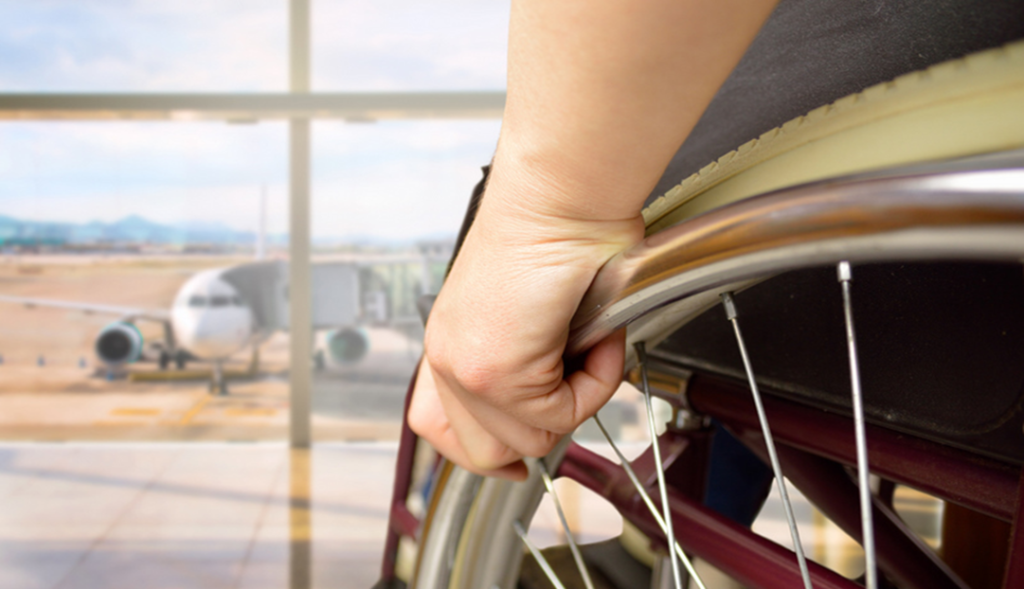
Some travel tips for Medical Tourists in Brazil
This country is full of lip-smacking dishes that shouldn’t be skipped, like Pão de Queijo, Feijoada, Moqueca, Acarajé with vatapá, Galinhada, Farofa and Escondidinho de frango com mandioca are some dishes you must try.
Brazil is a one-stop shop for savvy shoppers. At local shops and the supermarkets enjoy buying many items which are certainly cheaper than your own country. Always keep a photocopy of valid passport. Personal safety is another important thing to consider about Brazil, given the frequency of thefts in some regions.
Things to keep in Mind
Language barriers are prominent in the country. The general public only speaks Portuguese and you might have a hard time looking for a translator. Thanks to medical tourism, many private hospitals in Brazil have invested in providing translator services.
The traffic in major cities can be tiresome at times. Hence, when making a trip to your hospital, leave the hotel in time or consider booking a hotel as close as possible to the hospital.
How to get around?
Car rentals are available but they are relatively expensive. Plane rides are another viable option; they minimize travel time by a lot. Taxis are a reasonable ride, and preferable during the night time. In addition, big cities like Rio and Sao Paulo have metro facilities that are very convenient. Avoid taking public buses.
Insurance, medical malpractice and liability
Most Brazilian hospitals accept worldwide international medical insurance. Contact the hospital and the insurance company directly for details regarding coverage.
Most insurance plans do not yet cover costs of specific treatment abroad (when a policy holder travels for the sole intention of having surgery in another country). Policies are evolving and the insurer should be consulted for the latest information on coverage abroad.
Brazil’s exposure to western influences has increased the local sensitivity to issues related to medical malpractice and liability. This influence has attributed to the increase in malpractice lawsuits against physicians and hospitals in Brazil. In response, new types of insurance coverage that include medical liability were made available to protect private hospitals, medical groups and health professionals in Brazil. When choosing a hospital or a surgeon in Brazil, medical tourists should make sure the health practitioners are covered against medical liability lawsuits.
Climate
The climate in Brazil varies considerably from mostly tropical north (the equator traverses the mouth of the Amazon) to temperate zones south of the Tropic of Capricorn. Temperatures below the equator are high, averaging above 28 °C but not reaching the summer extremes of up to 40 °C in the temperate zones. There is little seasonal variation near the equator other than the rainfall frequency. Average temperatures below the Tropic of Capricorn are mild, ranging from 13 °C to 22 C
Pharmacies
Brazilian pharmacies are wonderful six of the top ten companies in the Brazilian pharmaceutical market are domestic. Each has a licensed pharmacist who is trained to deal with small medical emergencies and can make recommendations for treatment.
The service is free and medication is fairly inexpensive. If you take medication that may need replacement while in Brazil, ask your doctor to write out the active ingredients of the prescription, as many drugs are sold under different trade names in Brazil.
Many drugs available by prescription in many other countries are available over-the-counter in Brazil. Pharmacies are aiming to provide even more services such as blood pressure and diabetes check, bio impedance analysis, vaccinations, quick laboratory exams (like COVID Tests), injectable application and others.
Important items to bring with you include
First-aid kit – 1% hydrocortisone cream, Antibacterial or antifungal ointments, Digital thermometer, Oral rehydration salts, Antiseptic wound cleaner, Insect bite anti-itch gel or cream, Bandages, Disposable gloves, Cotton swabs, TweezersandEye drops.
Medical Papers – Medical papers and records are a necessity and should be at the top of your list of things to pack. Just to be safe, it is always a good idea to have extra copies. Prescriptions, Health insurance documents, Vaccinations, Medications.
General Documents – Copies of your passport and travel documents, Contact card with the street addresses, phone numbers, and e-mail addresses of: Family member or close contacts in your home country. Health care provider(s) at home, Hotel at your destination, Hospitals, clinics and medical facilitator (including emergency services), your country embassy or consulate in Brazil.
Passports and Visas – Keep your passport close at all times and have some foreign currency on hand for incidentals. The first thing that should be done during the planning stage is to check the rules for passports in different countries and read them carefully. In addition to a passport, you may require to have a visa too. You should always check with the embassy to see if this is a requirement for Brazil.
Currency – Exchanging currency is easier done ahead of time when you can exchange it at a trusted institution in your hometown, getting the best rates. If you wait until you are out of your element on foreign soil, you may not fare as well financially when you exchange foreign currency.
It’s always a good idea to get bills in smaller denominations so there is no problem using them and getting change for low cost items.
Credit Card Alerts – Credit card limits should be checked ahead of time so you are sure to bring the ones you need. It is also a good idea to let the credit card companies know where you will be, so there is no risk of having them block a transaction for “security reasons.”
Travel Companion – Lastly, it is sometimes recommended depending on your disposition and treatment that you bring a trusted companion with you on your medical tourism trip. Could be a benefit in case of emergencies. They will also be beneficial to have someone to keep you company during recovery and assist you during the trip back home.
Responsible Tourism Seal – Several states and cities in Brazil already have the “Safe Travels Stamp,” a seal issued by the WTTC (World Travel and Tourism Council) for destinations and businesses such as hotels, pousadas and guest houses around the world which have adopted their health and hygiene global standardized protocols.

Using a medical tourism facilitator – Medical tourist facilitator can help a potential patient ensure they choose an appropriate hospital and doctor for the procedure they plan to undergo. Services provided by a facilitator can include:
• Recommendations for medical care providers (hospitals, clinics, surgeons and doctors), accommodation, travel and tourism, as well as estimates of potential costs
• Personal assistance and multilingual staff
• Preparation of a total budget for client approval
• Airport pickup and transportation, pre-op accommodation
• Assistance before, during and after hospitalization with 24-hour availability (via the telephone)
• Pre-arranging all dates and accompanying a patient to doctor consultations and pre-op exams
• Arrangements for direct admission to the hospital/clinic for surgery
• Arrangements for post-operative care
Conclusion – After your healthcare treatment and once you are well enough to travel, you are encouraged to take time to explore all that Brazil has to offer as a vacation hotspot! All in all, Brazil is an excellent option when it comes to medical tourism, coupled with providing dual opportunity of vacationing in one of the most pristine countries, medical tourism in Brazil has become a booming industry.
December 2021

A gama de responsabilidades de um agente de vendas internacional pode incluir:
Reunir-se com clientes para desenvolver relacionamentos, discutir detalhes de produtos e fornecer atendimento ao cliente:
Identificação de potenciais clientes em setores e negócios específicos que possam necessitar dos produtos oferecidos pela Migjonela:
Apresentar propostas de vendas aos clientes que incluam informações de preços e termos do contrato, como duração do contrato e cláusulas de rescisão:
Negociar contratos com clientes para garantir a satisfação mútua e garantir que os acordos sejam cumpridos ao longo do tempo:
Identificar oportunidades de crescimento do cliente, oferecendo produtos ou serviços adicionais que complementem as ofertas existentes:
Coordenar o envio de nossos produtos para os locais dos clientes:
Manter registros de clientes em um banco de dados de computador, como Salesforce.com ou Microsoft Dynamics:
Acompanhar os clientes após as reuniões iniciais para garantir a satisfação com os produtos ou serviços prestados:
Apresentar novos produtos ou serviços a clientes existentes para aumentar as oportunidades de negócios:
Janeiro 2022

An international sales agent range of responsibilities, can include:
Meeting with clients to develop relationships, discuss product details, and provide customer service:
Identifying potential clients within specific industries, businesses, that might have a need for products offered by Migjonela:
Presenting sales proposals to clients that include pricing information and terms of agreement, such as contract length and termination clauses:
Negotiating contracts with clients to ensure mutual satisfaction, and ensuring that agreements are adhered to over time:
Identifying opportunities for client growth by offering additional products or services that complement existing offerings:
Coordinating shipping of products from us to customers’ locations:
Maintaining clients’ records in a computer database such as Salesforce.com or Microsoft Dynamics.
Following up with clients after initial meetings to ensure satisfaction with products or services provided:
Presenting new products or services to existing clients to increase business opportunities:
January 2022
Guide For Real Estate Investment Opportunities
Brazil is focusing on a new cycle of sustainable growth, based on an extensive adjustment process and the adoption of measures to improve competitiveness and productivity. The launching of this first edition of Guide on Land Investment Opportunities is aimed to support this new cycle of growth by identifying investment opportunities in the state of Alagoas.
The guide presents trustworthy, systematized and high level information to foreign investors about gaining a good returno n investments. Brazil offers a safe and outstanding investment environment, full of varied business opportunities. In the past years, Brazil has consolidated its position as a strong and attractive global player with a high degree of economic diversification. The country is currently the tenth largest economy in the world. With a privileged location in the east-central part of South America, it borders almost all other South American countries.
This allows companies to easily access Latin American and world markets. A stable financial system, tradition of respect for contracts and huge domestic market make Brazil a safe place for investment.
Alagoas is strategically located between two economic and population centers of Brazil’s fastest-growing region, the Northeast. The state benefits from an environment prospicious to receive investment.
The state also has economic hubs well-suited to receiving companies . Furthermore, it is worth taking into account the state’s competitive advantages in energy, infrastructure and logistics infrastructure, including 2,402km of federal roads considered in good or excellent condition.
In addition, the state’s human capital consists of a large number of competent professionals with technical training and university education in a wide array of areas.
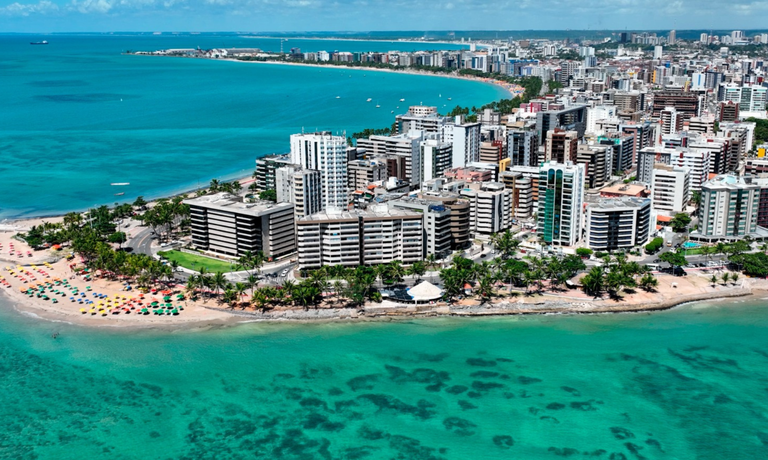
Alagoas as one of the most attractive destinations in Brazil. Real estate market continues to expand and contributes a great amount to the states economic development.
With the growth of the real estate market its ideal for those looking for a place to live or invest, thereby generating thousands of direct and indirect jobs in the state, in addition to contributing significantly to the collection of municipal and state taxes.
In full expansion with paradisiacal landscapes and a growing demand for real estate, both from Alagoas residents and from outside investors, the sector has become a key part of the state’s development. The capital Maceió, for example, is among the cities with the highest real estate appreciation in the country, experiencing a good moment and standing out on the national scene.
The segment in Alagoas, especially in Maceió, has shown growth in recent years, driven mainly by tourism, infrastructure and quality of life.
According to the economist, the outlook for this year and next is for this phenomenon to continue. Firstly due to investment from Brazilians living in other states and secondly foreigners.
Since 2021 there is a massive investment by companies in new condominiums and loteamentos. With a leisure-oriented profile close to beaches and lagoons in the north and south coastal municipalities of Alagoas.

How to Invest in Land : Buying a big tract of undeveloped land is an option open to the wealthiest investors. People with a more modest stake can earn a reasonable return by investing in land that is already realizing its potential.
Sub-Division Land : Investing in small subdivision developments has become an increasingly popular strategy for real estate investors looking to diversify their portfolios and capitalize on high returns. Small subdivision developments involve dividing larger pieces of land into smaller lots for residential or commercial purposes. This allows developers to create individual homes or commercial buildings that can be sold or rented out for a steady stream of income.
Investing in small subdivision developments offers several advantages for investors. One of the key benefits is the relatively low initial investment expenditure required compared to large-scale real estate projects.
The lower upfront costs make these developments accessible to a wider range of investors and allow for greater diversification of investment portfolios.
Furthermore, small subdivision developments provide the opportunity for investors to generate multiple streams of income. For example, an investor who purchases a piece of land and develops it, just into indidual lots will earn sale income from each individual lots. Creating yet again a steady cash flow to offset the initial investment costs and provide a consistent return on investment

Individual Lotes: Residential or comercial lots may be a better choice as it offers a feasible entryway into land investment because an unlimited number of opportunities can be structured to meet an investor’s capital and time constraints.
Investing in a lote of land in a Brazilian condominium, loteamento or residential can be a strategic financial move, especially considering the potential for appreciation and demand for housing in the region.
Brazil’s real estate market, particularly residential land, offers a promising investment avenue. Condominiums, with their amenities and security, are increasingly popular in Brazil, making land within them attractive to buyers.
Investing in a lote of land for a comdominium, loteamento or residential under construction by the sub-division developer provides an early entry investment opportunity that ensures you purchase at the lowest price and have the potential to earn the highest returns.
As construction progresses and major development milestones are reached, your investment will significantly increase in value. Plus you have the option to build on your lote to earn addition revenue through rental income.
Big sub-division developers offer the availability of interest free payment options from just 10% deposit of total value. Sometimes even less and also zero deposit. Also if you buy a lote of minimum 258m2. Then divide that lote into two individual lotes and sell each you can also gain a good profit from your initial investment.
Conclusion: There are several variables to be identified that transformed Brazil into an even more favorable investment destination.
With significant returns and an advantageous currency exchange rate, 2025 appears to be the year to invest in Brazil real estate. Demand is currently strong from both foreign investors and Brazilian domestic purchasers.
The stock exchange in Brazil has seen a marked increase in buyers. It now has over 3,2 million individual and corporative investors, five times higher than four years ago.
The devaluation and depreciation of the Brazilian Real is another reason behind the elevated interest from international investors in the Brazilian real estate market. Brazil real estate also offers a cheaper and much more accessible option compared to properties worldwide.
A survey by Numbeo found that Rio de Janeiro and Sao Paulo were among the more affordable locations. While a square metre in the most expensive city (Hong Kong) cost US$ 32,000, prices stood at US$ 2,084 in Sao Paulo (in 287th position) and at US$ 1,778 in Rio de Janeiro (330th position).of 500 cities in October last year.
Multilateralism, open markets and attractiveness for foreign private and corporative investors. Brazil is considered the most stable and crisis-resistant country in Latin America. With low cost of living and maintenance in comparison to Europe
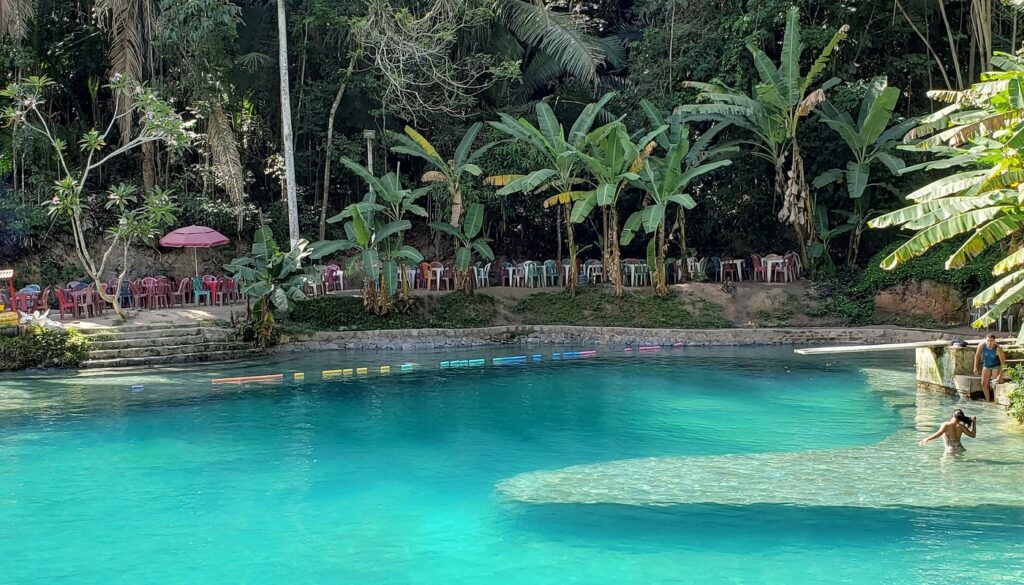
Analysts point to the double profit potential for foreign investors. They stand to benefit from the recovery of the Brazilian Real against the US Dollar and natural appreciation in the value of property, reinforced by geopolitical and institutional stability.
Hand-in-hand with the surge in demand for property goes the increase for secondary homes. Northeast Brazil is a particular hotspot for investment in this type of property and analysts expect the trend to strengthen during 2024 and 2025.
There is a favorable projection for high-end purchases, according to the Brazilian Chamber of Industry and Construction (CBIC). It is estimated that sales of residential properties will grow to 14 % in 2025. High and medium-standard homes are identified as the main responsible for this increase.
The main reasons why Brazil can nowadays be considered one of the world´s best investment opportunities include, amongst others, a solid and shock-resilient economy, a clean energetic matrix and a large domestic market.
As the world´s ninth or tenth largest economy Brazil also plays a leading role in Latin American economy and politics, standing out with increased attractiveness in the global scene.
Our Services: Alagoas north east Brazil offers a safe and outstanding investment environment and we consider it our task to introduce international investors to the best available opportunities, based on professonal consultancy and a wide range of services.
One of our principal goals is to create long-term value and build trusting relationships with our clients. To this end, we provide as many safeguards as possible when investing in property.
We offer investors opportunities that we are absolutely confident will make a solid and sustainable return on investment. Depending on available capital at the time, we invest our own money first as evidence to investors of highly profitable Investments. We can find investors a diverse mix of real estate investment options which can be from as little as a few thousand USD.
All property investments offered by Migjonela are freehold with full title deed. Investors in any of our opportunities are therefore guaranteed 100% ownership of their asset and are provided with all the necessary paperwork and ownership documentation.
We encourage transparency and openness continually sharing regular updates, images and market reports. We do not partner with foreign exchange money transfer services. Be cautious of real estate investment companies who partner or advise what money transfer services to use. Can be used for small transfers few hundred USD.
We assist our clients by having a bank account in Brazil to receive their transfers from abroad. Transfers fees will be a little higher but the quality of service will always be more secure than an online transer service. Our inspection trips allow investors to see their investment of interest.
Our representative will accompany you throughout the trip and be on hand to answer all your queries. Languages spoken are portuguese, english, french and spanish.
The Brazilian government is actively encouraging foreign investment and one of its initiatives is the Real Estate Investment Visa. This allows foreign investors to purchase real estate assets and obtain a permanent visa.
Investors can do this by investing in land or property located in an urban area and can be spread across multiple assets. The minimum investment amount for North and Northeast Brazil is R$700,000 which is R$ 300,000 less than other areas in Brazil.
Which subsequently benefits to the real estate market in the region. Brazil will always be a buyer’s market, offering opportunities to acquire land at favourable prices.
” Buy land, they’re not making it anymore ”
Março 2023
.
According to caribbean regional estate agents there has been a big increase in the number of people seeking citizenship by investment. If you scroll through websites offering homes and land for sale in the Eastern Caribbean, it is no longer just enticing beaches and a solacious lifestyle being offered to attract buyers. More and more property listings are offering a passport as well.

Buy a home, and you also get a passport that grants the holder visa-free access to up to 150 countries including Europe’s Schengen area, and for all but Dominica, to England as well. For the wealthy, the islands’ absence of taxes such as capital gains and inheritance, and in some cases on income too, is another major incentive.
And all five of the countries schemes allow buyers to retain their existing citizenship.
In Antigua, estate agents are struggling to keep up with demand. “Up to 70% of all buyers right now are wanting citizenship, and the vast majority are from the US,” according to the estate agents.
“This time last year, it was all lifestyle buyers and a few CBI. Now they’re all saying ‘I want a house with citizenship’. The agents has never sold so many before.” Despite Antigua’s programme having no residency requirement, some purchasers are looking to relocate permanently.
US citizens account for the bulk of CBI applications in the Caribbean over the past year, according to investment migration experts Henley & Partners.
Applications for Caribbean CBI programmes have increased by 12% since the fourth quarter of 2024.
Passports from the five island countries give the holder visa-free entry to most countries around the world.
“Around 10-15% actually relocate. For most it’s an insurance policy against whatever they’re concerned about. Having a second citizenship is a good back-up plan.
Advantages of Caribbean passports provide appeals to business people, and may also present a security benefit. “Some US clients prefer to travel on a more politically-benign passport.”
Not only does being a citizen avoid restrictions on length of stay, it also gives the freedom to take advantage of business opportunities.
Still, such programmes are not without controversy. When passport sales were first introduced in 2012 by the then Antiguan government as a way of propping up the ailing economy, some considered the ethics a little dodgy.
The Caribbean’s appeal as a place to live is obvious.
The European Union has threatened to withdraw its coveted visa-free access for Caribbean CBI countries, while the US has previously raised concerns over the potential for such schemes to be used as a vehicle for tax evasion and financial crime.
Dominica’s Prime Minister Roosevelt Skerrit has described his country’s CBI programme as “sound and transparent”, adding authorities had worked hard to ensure its integrity.
The government says passport sales have raised more than $1bn since the initiative’s inception in 1993, paying for vital infrastructure including a state of the art hospital.
In St Lucia, Prime Minister Philip J Pierre says the island adheres to the highest standards of security to ensure its CBI does not inadvertently aid illicit activities.
The need to raising revenue is a delicate balancing act for small Caribbean nations with meagre resources, dependent mostly on the tourism sector.
CBI programmes were labelled a lifeline at a regional industry summit in April 2025, with funds used for everything from cleaning up after natural disasters to shoring up national pension schemes.
Antigua’s Prime Minister Gaston Browne said money raised had brought his country back from the brink of bankruptcy over the past decade.
Aside from buying property, other routes to Caribbean citizenship through investment typically include a one-off donation to a national development fund or similar.
They range from $200,000 in Dominica for a single applicant, to $250,000 for a main applicant and up to three qualifying dependents in Dominica and St Kitts. In Antigua, investors also have the option of donating $260,000 to the University of the West Indies.
In the face of international pressure, the islands have committed to new measures to bolster oversight, including establishing a regional regulator to set standards, monitor operations and ensure compliance.
Additionally, six principles agreed with the US include enhanced due diligence, regular audits, mandatory interviews with all applicants, and the removal of a loophole that previously enabled an applicant denied by one country to apply in another.
These days, passport sales account for 10-30% of the islands’ GDP. CBI schemes is “generally well supported” as a result. “The public understand the value of it to the economy, and appreciate what the governments has been able to do with the money.”

“When you invest, you are buying a day, a week, a month, a year that you don’t have to work.”
March 2024
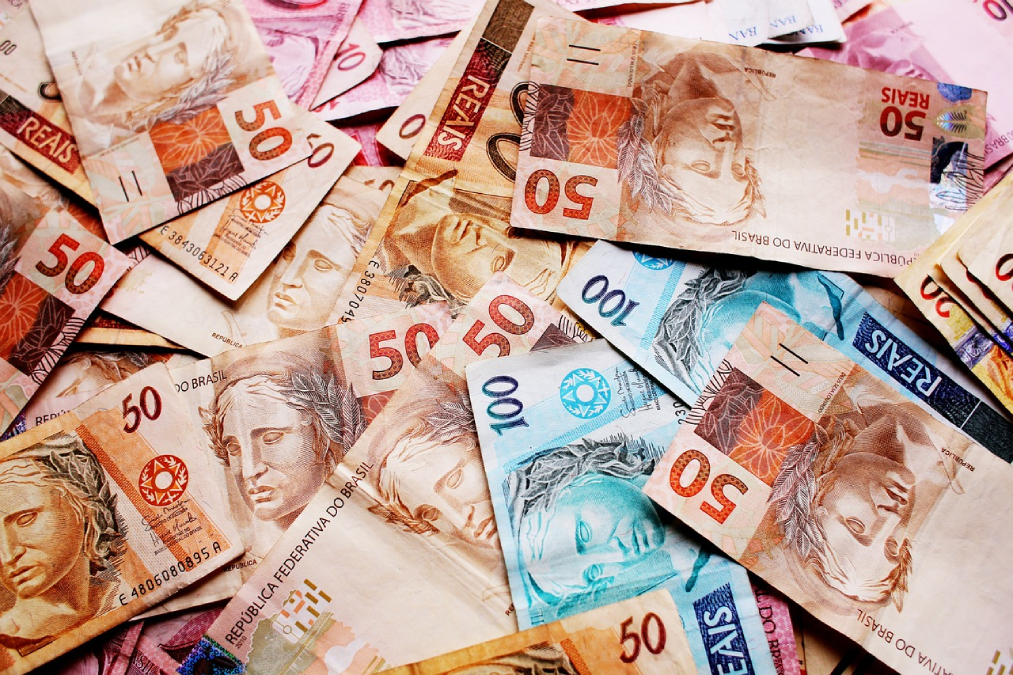
O que nós fazemos é procurar por maneiras de fazer novos fluxos de dinheiro ! Você pode fazer o mesmo? Como identificar novos fluxos de dinheiro ?
Identificar as necessidades da humanidade, na forma de invenção e inovação: Resolva problemas para tornar a vida mais fácil, melhor e mais rápida: Pesquisar as demandas emergentes dos consumidores:
Prever o futuro de curto prazo onde ocorrerão mudanças no mercado: Encontre algo mais saudável, saboroso, mais forte, mais suave, mais longo, mais curto, ou simplesmente mais benéfico: Não existe uma maneira fácil de ganhar dinheiro, o que é bom porque sempre devem existir diferentes níveis e classes de pessoas para que a sociedade possa funcionar.
Ser capaz de fazer julgamentos fundamentados mais rápido que a maioria das pessoas. Identificar novas oportunidades deve se tornar uma ocorrência regular todos os dias. Não espere pela oportunidade. Crie-a.Como podemos ajudar!
Se os bancos, as instituições financeiras não puderem ajudar no financiamento do seu novo fluxo de dinheiro para começar. Venha conversar conosco. Se for um fluxo de dinheiro viável podemos investir uma porcentagem no produto ou serviço.
Também dependendo se você é uma pessoa capaz de trabalhar com e do valor do investimento infelizmente não temos dinheiro ilimitado.
Mas, seja qual for o motivo pelo qual não podemos investir, sempre lhe daremos consultoria empresarial gratuita sobre como comercializar seu fluxo de dinheiro.
“O dispositivo mais eficiente para trabalhar menos ainda é dinheiro” Boa sorte !
Maio 2025
Análise de Tamanho e Participação – Tendências e Previsões de Crescimento (2025 – 2030) O mercado brasileiro de carros seminovos é segmentado por tipo de veículo hatchbacks, sedãs, veículos multiuso e utilitários esportivos.
O mercado carros seminovos é estimado em R$ 906 bilhões em 2025 e deve atingir 1,2 trilhão até 2030. Dados mostram que as vendas de carros seminovos aumentaram 15,5% entre janeiro e maio de 2025, de 200.000 para 231.000.
Este crescimento é devido a vários fatores:
Compradores: Aumento da renda disponível. Indivíduos e pequenas empresas são os principais compradores de carros seminovos. Crescimento da população de veículos de proprietários. Até 2041, a população crescerá a um nascimento por minuto, abastecendo assim gerações de proprietários de carros seminovos.
Governo: Iniciativas para promover a propriedade de veículos. Regulamentações para reduzir emissões de carbono e promover transporte sustentável impulsionar a demanda por veículos elétricos e híbridos seminovos. As políticas governamentais sobre padrões de emissão e medidas de segurança influenciam as tendências de mercado.
Marketing: Ascensão das plataformas digitais online para vendas de carros e o surgimento de modelos de propriedade de carros baseados em assinatura.
VK Multimarcas transformaram o mercado com suas plataformas online, conectando compradores e vendedores. Kavak e a empresa espanhola AR Box. Plataformas online simplificam o processo de compra e venda de carros usados, aumentando a acessibilidade ao mercado.
Propriedade baseada em assinatura: modelos de assinatura flexíveis permitem que os usuários acessem carros seminovos sem compromissos de longo prazo.
Veículos: Confiança do consumidor e melhorar controle de qualidade. A crescente demanda por veículos utilitários esportivos e veículos multiuso tem crescido devido à sua versatilidade, conforto e robustez, atraindo famílias e entusiastas de aventura.

Os hatchbacks oferecem preços acessíveis e eficiência de combustível, visando compradores preocupados com o orçamento. Os sedãs oferecem conforto e confiabilidade, atraindo famílias e indivíduos que buscam praticidade. Geralmente, aqueles que oferecem maior durabilidade, economia de combustível e design atraente tendem a ser mais valorizados no mercado de carros seminovos.
Outro ponto que deve ser observado é o impacto dos veículos elétricos e híbridos, que vêm ganhando espaço no mercado. Carros elétricos chineses já representam 7% do mercado brasileiro. As três marcas chinesas que mais vendem no país é BYD, CAOA Chery e GWM. Em 2024, a BYD e a CAOA Chery venderam mais que a Ford e a Citroën, por exemplo, e a GWM ficou à frente da Peugeot e da Mitsubishi.
Como essas marcas são especializadas em modelos híbridos e elétricos, o avanço chinês se reflete consequentemente no aumento das vendas dos chamados carros eletrificados. A Toyota manteve a liderança no segmento de híbridos, com 22,94% das vendas da categoria no acumulado do ano.
A japonesa é seguida de perto por duas chinesas: a BYD, com 21,68%, e a GWM, com 18%. No entanto, a BYD foi a líder absoluta nas vendas de modelos totalmente elétricos, com 74,49% dos modelos registrados de janeiro a abril. A GWM ficou em segundo lugar, com 12,47%. A sueca Volvo aparece em terceiro, com 3,61%.

Empresas de Aluguel e Venda: Pequenas concessionárias independentes de veículos estão fechando no Brasil e no mundo em ritmo acelerado por não conseguirem competir com as grandes empresas que alugam e vendem veículos.
É certo que as grandes locadoras e vendedoras de veículos crescerão ainda mais e acabarão dominando o mercado de usados. A tendência de crescimento do mercado de locação e as estratégias das empresas para administrar eficientemente suas frotas, inclusive na venda de seminovos, apontam nessa direção.
Então por que as grandes locadoras de veículos controlarão o mercado de carros seminovos. As empresas de aluguer de carros maiores controlam o mercado de veículos usados principalmente devido ao seu volume e poder de negociação na compra de veículos novos e à sua rede de distribuição para veículos usados. Além disso, as alterações na legislação e nas políticas, como os incentivos fiscais para veículos elétricos, podem influenciar a demanda por veículos usados.
Mas em todos os setores da indústria, as grandes empresas nacionais e multinacionais estão ficando maiores e mais ricas, e é assim que o mundo está agora. Então, obviamente, o mesmo aconteceria com a indústria automobilística.
As grandes empresas de aluguer de veículos possuem recursos e infraestruturas para gerir de forma eficiente as suas frotas, incluindo a venda de carros usados com preços competitivos e qualidade garantida. Embora o mercado de aluguer esteja a crescer, a possibilidade de comprar carros seminovos de forma mais acessível e personalizada pode, em alguns casos, ser uma alternativa para alguns consumidores.

A tecnologia e a digitalização estão a transformar o mercado de aluguer e a venda de carros seminovos, permitindo a criação de novas plataformas e serviços que facilitam a compra e venda de veículos. Os consumidores buscam garantia com veículos certificados, suportado por inspeções de garantia e longos testes de dirigindo. Eles podem conseguir isso com grandes empresas de aluguel e venda, pois eles vendem seus veículos com um a três anos de idade.
O setor de aluguel de veículos é dominado por alguns grandes conglomerados, como Enterprise, Hertz, Avis e Localiza. Esses conglomerados controlam grande parte do setor e geram receitas substanciais, obviamente em dos bilhões de dólares anuais.
As locadoras de veículos costumam comprar carros em grandes quantidades diretamente das fabricantes, o que pode lhes dar uma vantagem na hora de vender carros seminovos. Elas também podem receber descontos por volume das fabricantes, e por que não?
Localiza, maior locadora de carros do Brasil, compra e renova sua frota anualmente para atender à demanda do mercado. Em 2024, a empresa adquiriu 649.399 carros zero quilômetro, o que representa 26,1% de todos os veículos emplacados no país por locadoras.
A Unidas compra um número variável de carros por ano para sua frota de aluguel, dependendo das necessidades e do mercado. No entanto, em 2023, a empresa aumentou sua frota em 16%, totalizando 118 mil veículos ativos. As locadoras são as melhores compradoras dos fabricantes de automóveis, pois possuem uma boa unidade empresarial.
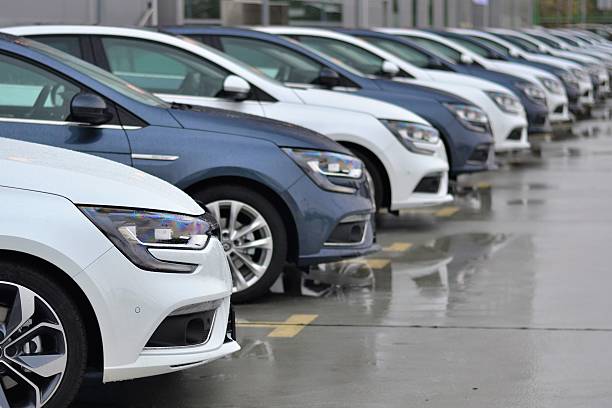
As ações dos conglomerados que abriram o capital nos mercados financeiros estão em constante valorização.
Apesar da competição entre si, as grandes locadoras e revendedoras de veículos estão bem posicionadas para crescer e desempenhar um papel significativo no mercado de carros seminovos, impulsionadas pelo crescimento do mercado de serviços, pela gestão eficiente de frotas, pela mudança nas preferências dos consumidores e pelos avanços tecnológicos.
No entanto, a capacidade de oferecer preços competitivos, produtos de qualidade e atendimento personalizado será fundamental para o sucesso no mercado de seminovos.
Junho 2025
Its arrival is not a triumph of free trade, but rather as something more consequential.

A test of whether Latin America and Europe can still anchor their economic relationship in rules and institutions at a time when the global economy is fragmented.
For Latin America, particularly Brazil and Argentina, the agreement offers both opportunity and constraint. On paper, it creates a trading zone of more than 700 million people with the opportunity to expand bilateral trade exponentially in the years to come, as the deal is expected to gradually eliminate tariffs on thousands of products.
Key Benefiting Sectors in the EU:
Automotive & Transport: Motor vehicle exports projected to grow by 200%.
Machinery: The EU-wide tariffs on the vast majority of mechanical engineering and industrial products originating from Mercosur countries will be either entirely eliminated or significantly reduced over phase-out periods. Mercosur tariffs on EU machinery and appliances are being progressively eliminated.
Beverages: Sparkling Wine will be reduced. Higher-end sparkling wines immediate duty removal, while other wine products will have tariffs phased out over eight years.
Spirits (Strong Beverages): Most tariffs on spirits (previously up to 35%) are being eliminated, with a phase-out period over four years.
Soft Drinks: High duties (previously 20–35%) on soft drinks are being phased out to increase market access.
Orange Juice / Fruit Juices: As part of the agricultural package, many tariffs, including on orange juice, are moving to zero for Mercosur exports to the EU, strengthening Brazil’s market position.
In summary, the deal creates a more open, competitive market for both European strong spirits/wines in South America and Latin American fruit-based soft drinks/juices in the EU, aimed at reducing tariffs that previously ranged up to 35% on beverages.
Chemicals: Many chemical products all tariffs eliminated, opening new export opportunities. Remaining chemical tariffs will be phased out over a transition period (up to 10 years for some industrial goods).
Agri-Food: Coffee, Tea, Cocoa, Spices, Confectionery, Chocolate, Cereals, Sugars, Rice, Honey and Vegetable Oil. Exports expected to increase by nearly 50%. The EU’s agri-food sector is a critical component of the economy, contributing 37% of the EU’s total trade surplus in 2025, according to the European Commission.
Pharmaceuticals: Prior to the agreement, pharmaceuticals faced duties of up to 14% when imported into the EU from Mercosur countries. They now are being substantially reduced or eliminated to facilitate more trade.
Textiles: Brazilian cotton fabrics and finished apparel, previously taxed up to 12% by the EU, are subject to a gradual elimination of duties, often over a 10-year period to allow adaptation.
Meat & Poultry: Brazil can export 99,000 tonnes of annual imports (55% fresh/chilled, 45% frozen meat) will benefit from a reduced tariff of 7.5%. This quota is phased in, starting with approximately 9,000 tonnes in the first year, reaching the full amount in five years.
180,000 tonnes of poultry annually can enter the EU duty-free (0% tariff). This quota will be phased in over six years, with an initial 15,000 tonnes in the first year.
Mineral Fuels and Oils: From Mercosur to the EU will see tariffs dropped to 0%, boosting trade in energy products. ethanol. The deal aims to boost energy, mining, and agricultural exports (like biofuel-related products) while lowering barriers for European machinery and chemicals.
Footwear: Brazilian footwear tariffs in the EU are being phased out over up to 10 years. Leather Footwear: Tariffs are eliminated within seven years.
Synthetic/Textile Footwear: These face a longer, gradual phase-out period. Overall Goal: Eliminate tariffs to make Brazilian goods competitive against Asian manufacturers in the EU market.
Processed Foods: A wide range of products will see tariffs eliminated immediately upon the agreement’s provisional entry into force.Gradual Elimination: Many other processed food products will have their tariffs eliminated over 4, 8, or up to 16 years.
Mining & Resources: Increased demand for raw materials (e.g., lithium) to support the EU’s green transition. In 2023, the EU sourced 100% of its heavy rare earth minerals from China, and demand for lithium alone is projected to increase twelvefold by 2030 and twentyfold by 2050.
Brazil holds the world’s second-largest reserves of rare earths, accounting for approximately 23% of the global total. The high concentration of these reserves within Mercosur which has received 0% import tariffs, is a central focus of the EU-Mercosur agreement, aiming to diversify critical raw material supply chains away from China.
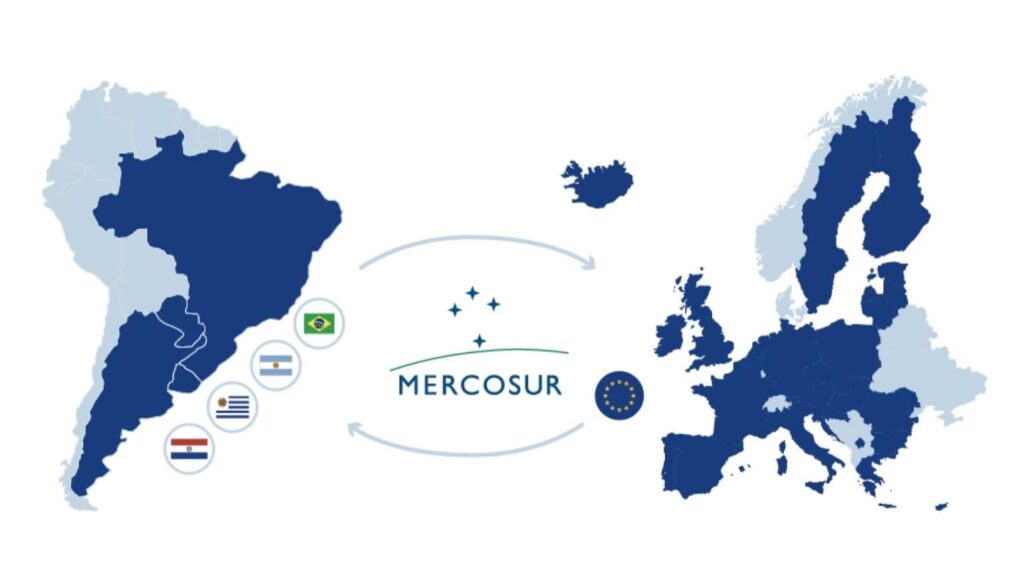
The Deal Could Change the Trade Map:
The agreement provides South American nations a pathway to reduce their economic reliance on China by diversifying their trade, while allowing the EU to secure critical raw materials (such as lithium from Argentina and niobium from Brazil) necessary for its green and digital transition.
Many beleive the major driver behind the EU-Mercosur agrément is securing rare earth minerals. It is not the only reason. The deal is best understood as a multi-layered strategic partnership aimed at reducing reliance on China and U.S.A
Amid rising global protectionism and disruption from other powers, this agreement reinforces a rules-based, sustainable, and transparent trade approach between the two blocs.
EU-Mercosur trade deal has fundamentally shifted the trade map by establishing one of the world’s largest free trade zones, covering over 710 million people.
Diversification aims to reduce dependence on single-source suppliers by creating a reliable, transparent, and legally binding partnership with South America.
The agreement promotes trade in environmental goods and technologies, aligning with the EU’s goal of fostering “green” economic partnerships, and mandates compliance with EU environmental standards.
The EU is already the largest investor in Mercosur, with a stock of around €390 billion in 2023. The new framework increases confidence, eases investment barriers, and aligns standards on food safety and intellectual property. EU companies now have better access to public procurement contracts in Mercosur countries.

The more important question about this partnership agreement is how the region uses improved access to European markets. Will it serve as a platform for industrial upgrading, infrastructure investment, and higher-value production?
Or will it reinforce a long-standing pattern in which South America exports commodities while importing higher-value manufactured goods? For the European Union, the deal serves a function that goes well beyond market access for cars and pharmaceuticals.
The agreement, by locking in non-escalation tariff clauses and enforceable dispute mechanisms, offers something that bilateral memoranda of understanding with extractive intent cannot: a durable institutional framework for long-term investment.
For Brazil, the arithmetic is similarly compelling but should be read with care.Brazilian Vice President Geraldo Alckmin announced on April 22, 2026, that Brazil’s government expects total exports to increase by 13% by 2038 with full enforcement of the deal, industrial exports potentially rising by 26% in the same period.
Tariff cuts are gradual, with duties on roughly 5,000 products reduced to zero as of May 1 and full liberalization expected within 12 years.Trade between Brazil and the EU amounted to about $100 billion last year, with the EU as the country’s second-largest trading partner after China.
Sales of sugar, fruits, beef, and poultry stand to benefit in the near term. These are meaningful gains. Brazil must simply deepen its commodity export profile, which the agreement, in structural terms, does little to discourage.
That tension is not unique to the Mercosur side.Support within Europe was far from unanimous.
France, Poland, Austria, Ireland and Hungary have all expressed their opposition to the agreement. For an EU proposal to be blocked, at least four member states must vote against it, and their combined population must represent more than 35% of the total EU population. To achieve this, the opponents required the support of Italy, who eventually voted in favour of the deal.
These were not irrational objections of protectionism. They were expressions of a legitimate anxiety about whether multilateral agreements can still deliver equitable outcomes within democratic polities. What the opportunity of this moment requires is a honest framing of what the EU-Mercosur deal is and is not.
It is not the restoration of liberal globalization. It is not a guarantee of development for either side. Its a carefully constructed institutional bet that two regions facing marginalization in a fragmented world increasingly organized around blocs, coercion, and strategic dependency that both can build something durable together.
The agreement will not succeed simply because tariffs fall on May 1. It will succeed only if both regions treat it as more than a market-access instrument. Europe will need to demonstrate that strategic autonomy is compatible with social protection at home.
Mercosur will need to demonstrate that competitiveness can coexist with environmental credibility and industrial upgrading. The promise is real, and so is the fragility. That is precisely why, in a world drifting toward fragmentation both blocs must win for their respective countries.
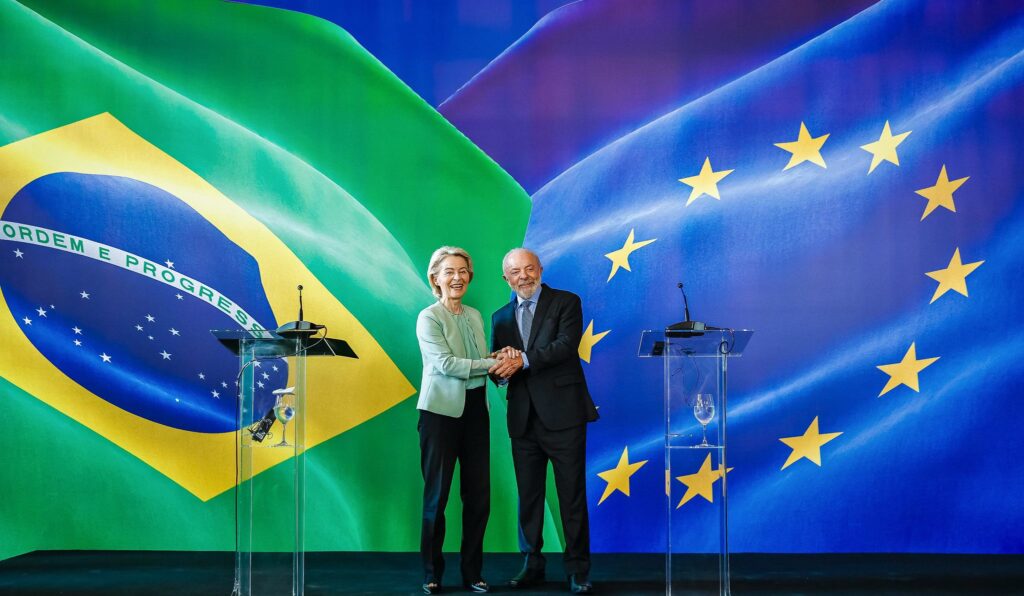
Conclusion: The EU-Mercosur agreement is considered a “deal of the century “The agreement makes Brazil a more important, stable, and diversified economic player, potentially positioning it as a top global agribusiness and energy partner.
The agreement is expected to significantly strengthen Brazil’s economy by boosting GDP by an estimated 1.5% by 2035, adding roughly R$400 billion to its economic output.
It will likely catalyze export growth, diversify trade partnerships, modernize the industrial sector, and increase investment, aiming to transform Brazil into a larger supplier of higher-value industrial goods.
Brazil had a trade surplus of approximately 18% before the new trade agreement this indicates high global demand and strong domestic production. While the agreement is most renowned for boosting Brazilian exports, the flow of trade will bring direct and indirect benefits to Brazilian importation, industries, and consumers.
The deal will improve consumer spending include by lowering prices on imports. The deal eliminates tariffs on over 90% of traded European goods.
May 2026
Sim, temos alguns, mas os benefícios e brindes adicionais estão sempre mudando e não são obrigatórios nem padronizados. Tudo depende dos acordos que conseguirmos fechar com empresas do setor de transportes.
Tanque de combustível cheio: Economia imediata no uso do carro com seu tanque cheio com álcool ou diesel. Na maioria dos casos podemos.
Acessórios e brindes: Tapetes novos, se necessário, e presentes como aromatizadores de ambiente.
Película para vidros: Este presente oferece benefícios estéticos e funcionais, como estilo aprimorado, proteção UV, redução do brilho e maior privacidade.
Câmeras veiculares: Dispositivos para gravar a atividade de direção para fins de segurança e seguro. Essas câmeras compactas são projetadas especificamente para uso automotivo e criam um registro em vídeo de tudo o que acontece na frente do carro, como tráfego em sentido contrário e pedestres atravessando a rua.
Garantias estendidas: Para seminovos o prazo padrão é de três meses, mas pode ser estendido para até doze meses. Será de 800 a 1000 reais adicionais, mas tentaremos reduzir esse valor.
Lavagem e limpeza de carros: Foco: Tanto no exterior quanto no interior do veículo.
Processo: Uma limpeza profunda e completa que inclui várias etapas além de uma simples lavagem, como:
Exterior: Lavagem manual, descontaminação com clay bar, polimento para remover arranhões, enceramento ou aplicação de revestimento cerâmico e limpeza profunda de rodas e pneus.
Interior: Aspiração completa, lavagem com shampoo ou limpeza a vapor de carpetes e estofados, limpeza profunda do painel e consoles, hidratação do couro e limpeza de todos os vidros internos.
Suporte para celular para carro: Um suporte ajustável que se adapta ao tamanho do seu smartphone, permitindo que você atenda chamadas com segurança. Um recurso interessante é a rotação de 180 graus, possibilitando visualizar o Google Maps tanto na vertical quanto na horizontal!